Buck knew Gina was no good but he enjoyed her company. She was thirty-five years younger than he—twenty-three—an accommodating sex partner and presentable enough to take to a restaurant. Gina had grown up poor in Port St. Joe, Florida, and come to Tampa, where Buck lived, to see if she could get by on her looks. Gina was a soft hooker, mostly hustling older men for meals, rent money, ready cash, and occasionally getting a trip to the Bahamas or Atlanta, where one of the men she dated got her hired to perform in a pornographic movie. Gina liked the fact that she was paid five hundred dollars for an afternoon’s work being filmed performing oral sex on several men, but she decided not to pursue this as a profession. The other girls in the movie were either drug addicts or alcoholics or working their way through college; some hoped to go to Hollywood and become legitimate actresses. Gina decided to stick to keeping company with one or two men at a time for so long as they paid her bills, put something in her pocket on a regular basis, and weren’t too demanding.
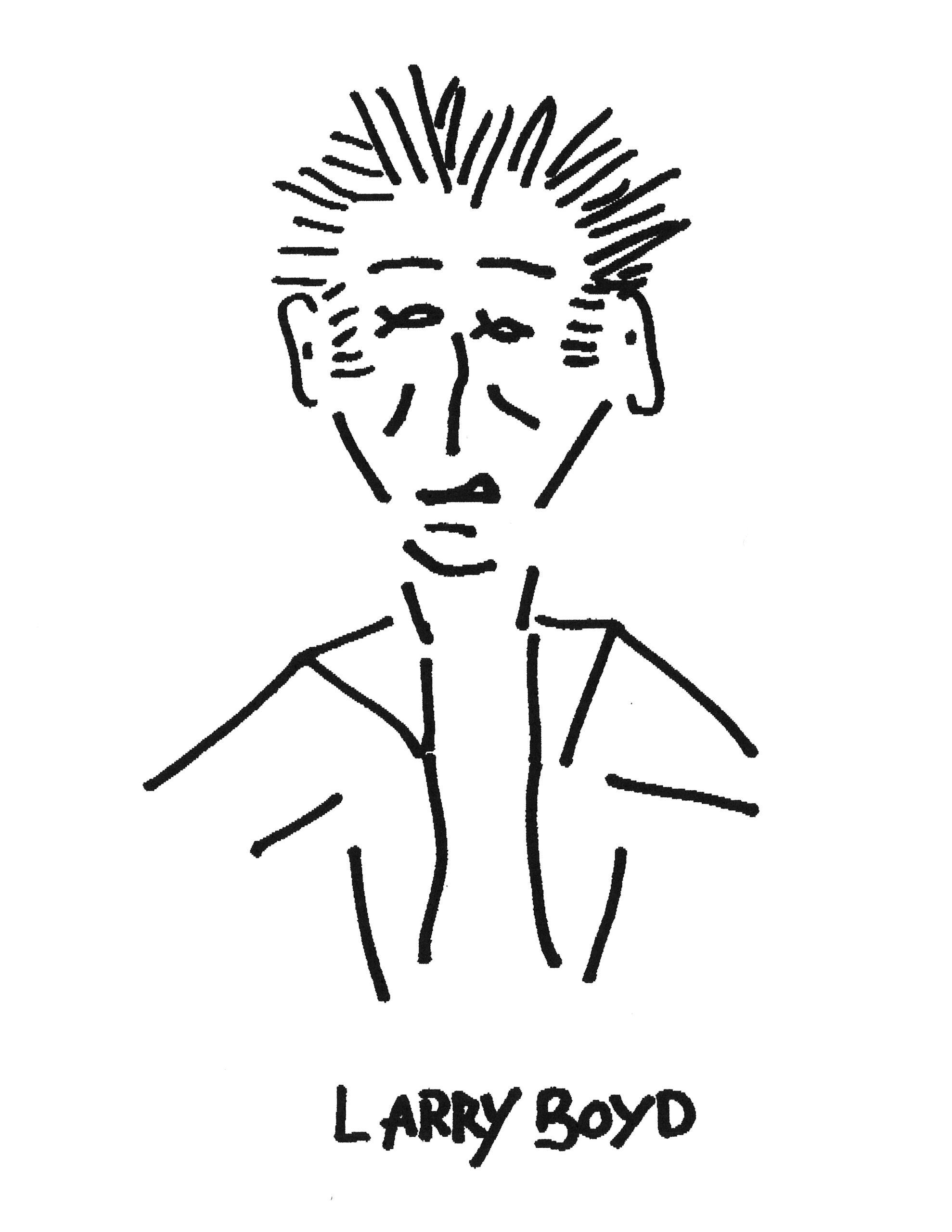
Buck would occasionally buy gold necklaces, bracelets, and rings from a second-story man named Larry Boyd and then melt them down to form a ball of solid gold. He had a workshop in his house that he used for his alchemical and other projects which he kept locked at all times. He made the mistake of one day showing to Gina his ball of gold, which was the size of a baseball. He told her its value was in the thousands of dollars.
The next night two men broke into the house, hit Buck on the head with a short length of pipe, knocked down the door to his workshop, and ransacked the room until they found the golden ball. They took that along with various tools and left Buck unconscious on the floor of his bedroom.
After he recovered, Buck did not call the police. Instead he bought several guns, which he loaded and placed strategically throughout his house. He knew that Gina had any number of shady, if not criminal, acquaintances to one or more of whom she might have divulged the existence and precise location of his ball. He then contacted his pal Larry Boyd, gave him a couple of hundred dollars, and told him to ask around to find out who the perpetrators were.
A week later, Larry came to Buck’s house and told him he was pretty sure who the thieves were and asked Buck if he wanted him to do something about it. Buck gave Larry a cold piece, a thirty-eight-caliber revolver he’d bought from an ex-cop, and told him to see if he could get the golden ball back and if necessary to shoot the thieves and ditch the gun in Tampa Bay. He promised to pay Larry a thousand dollars if he retrieved the ball. Boyd asked Buck what he should do if they’d already sold the ball and Buck said to shoot them anyway.
As it turned out, when Larry confronted one of the thieves it was Larry who got shot in his right leg. When he was able to walk again, he came to see Buck, told him he did not get the ball, and that as far as he knew both of the guys had left town. Buck paid Larry’s medical expenses, gave him seven hundred dollars, and told him to not come around for a while. Buck reminded him to deep-six the thirty-eight if he had not already done so.
The next time Gina called Buck he told her he never wanted to see her again. She did not ask him why.
Barry Gifford is the author of more than 40 published works of fiction, nonfiction, and poetry, which have been translated into 30 languages. His most recent books include Ghost Years, The Boy Who Ran Away to Sea, and Black Sun Rising, or, La corazonada. He cowrote the screenplay for Lost Highway with David Lynch.
Illustration: Barry Gifford
